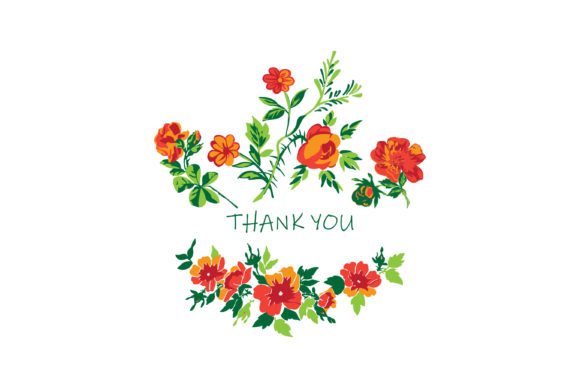
Wedding Invitation Floral Wreath Roses: A Designer's Guide to Elegance
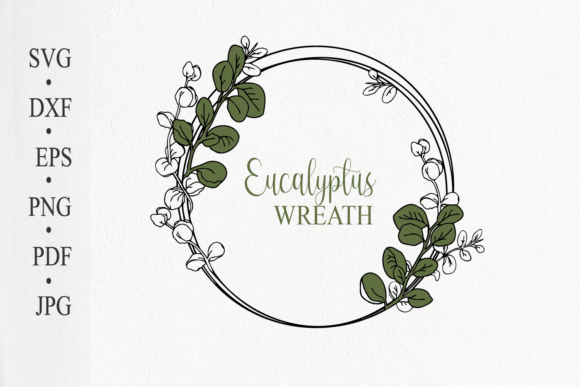
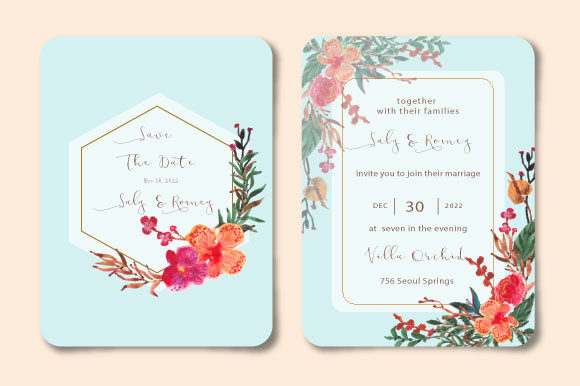
The moment you see a design featuring a Wedding Invitation Floral Wreath Roses motif, it communicates a specific, timeless feeling. It’s not just an arrangement of flowers; it’s a visual language of celebration, romance, and organic beauty. This particular design asset—a vector illustration of wreath roses with stems and leaves in soft pastel greens and reds against a crisp white background—is a powerhouse for creating an immediate emotional connection. Its personality is one of refined elegance mixed with natural charm. The style balances detailed botanical accuracy with the clean scalability of vector art, making it incredibly versatile. The overall appeal lies in its ability to feel both personal and professional, handcrafted yet polished, which is a rare and valuable combination in modern design.
The Anatomy of a Versatile Design Asset
Understanding the core components of this floral wreath helps in deploying it effectively. The roses are the focal point, their layered petals suggesting depth and softness. The stems and leaves provide structure and movement, guiding the eye around the circular composition. The pastel color palette—soft greens and muted reds—is key to its adaptability. These colors are gentle enough to not overwhelm text or other design elements, yet they possess enough character to stand alone. The white background ensures the design remains airy and clean, making it perfect for print and digital applications where clarity is paramount. This isn't a loud, flashy graphic; it's a sophisticated piece of brand identity in waiting. It functions as a creative font does—setting a mood, conveying a tone, and elevating the entire project it touches.
Where This Floral Element Truly Shines
While its name suggests wedding invitations, the applications for a Wedding Invitation Floral Wreath Roses illustration extend far beyond that single use case. Its strength is in projects that require a touch of grace, nature, or celebration.
- Branding & Logo Design: For businesses in the wellness, beauty, floral, artisan, or boutique hospitality sectors, this wreath can be the cornerstone of a logo design. It instantly communicates values of care, quality, and natural ingredients. Think of a skincare brand, a wedding photographer, or a high-end bakery.
- Editorial & Packaging Design: In editorial design, it makes stunning chapter headers, section breaks, or cover art for magazines and books focused on lifestyle, gardening, or romance. For packaging design, it can transform a simple box or label into a gift-worthy experience, perfect for soaps, candles, gourmet foods, or stationery sets.
- Digital & Social Media: The vector format is ideal for web design and social media graphics. Use it as a hero image on a website, a frame for Instagram posts, a background for quote cards, or a decorative element in email newsletters. Its pastel tones are highly "likeable" and perform well visually on screens.
- Print & Personal Projects: Beyond commercial use, it’s a gem for crafters and hobbyists. Create personalized greeting cards, birthday party decorations, table numbers, wall art, or even fabric prints. For print projects, the high-contrast design ensures excellent reproduction quality.
Making It Work: Practical Application Tips
Simply placing this beautiful wreath into your project isn't enough. How you integrate it determines its impact on visual hierarchy, brand perception, and audience engagement.
Pairing with Typography
This floral element has a strong personality, so your font choices need to complement, not compete. Avoid overly ornate or script font pairings that might clash with the wreath's detailed nature. Instead, opt for clean, legible typefaces that provide balance. A classic serif font like Garamond or Baskerville can enhance the traditional elegance. A simple, geometric sans serif font like Lato or Montserrat creates a beautiful modern contrast, letting the floral detail remain the star. The key is to ensure your display font for headings and your body copy have enough visual weight to stand their ground beside such a compelling graphic.
Ensuring Readability and Professionalism
The primary function of any design element is to support the message, not obscure it. If using the wreath as a background or border, ensure your text has sufficient contrast and padding. A semi-transparent overlay or placing text within the center of the wreath are proven techniques. This consideration is crucial for readability and maintains the professionalism of your design. The goal is to create a harmonious composition where the text and image feel intentionally placed, resulting in a cohesive and recognizable piece of work that builds brand consistency across all materials.
Evaluating Fit and Licensing
Before committing, ask: does this floral style align with the project's core message? It’s perfect for themes of love, growth, celebration, and nature, but might not suit a corporate finance report. When sourcing this design asset, treat it as you would a premium font. Check the license carefully. Is it for personal use, or does it include a commercial font license for client work? A legitimate license protects you legally and supports the creators. Review the included file formats—look for scalable vector files (SVG, EPS) for maximum flexibility in both digital and large-format print applications.
Ultimately, the Wedding Invitation Floral Wreath Roses is more than a decorative element. It's a strategic tool for injecting warmth, elegance, and a story into your designs. By understanding its strengths and applying it thoughtfully, you can leverage this single asset to elevate a wide range of projects, from a small business's brand identity to a personal milestone celebration, proving that great design often lies in the intelligent use of beautiful, versatile components.