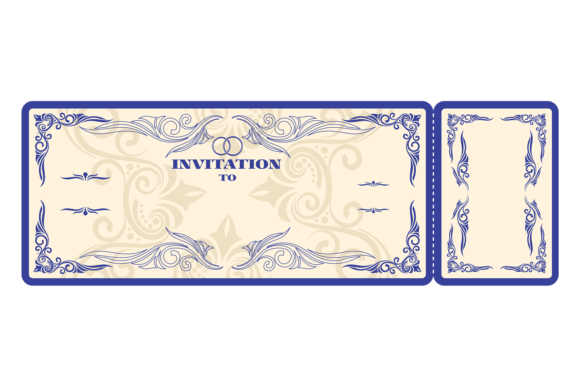
Unlocking Elegance: The Wedding Invitation Template. Decorative Guide
When you are planning a wedding, the stationery is often the first tangible promise of the event to come. It sets the stage, whispering hints about the venue, the dress code, and the couple's personality before a single word of the invitation text is read. In the world of design assets, few elements capture this specific blend of romance and formality quite like the Wedding Invitation Template. Decorative. This isn't just a simple typeface; it is a visual language defined by vintage ornate filigree, intricate flourishes, and a sense of timeless sophistication. For designers, small business owners, and hobbyists alike, understanding how to wield this style effectively is the difference between a generic invite and a bespoke piece of art.
The Anatomy of Ornate Filigree
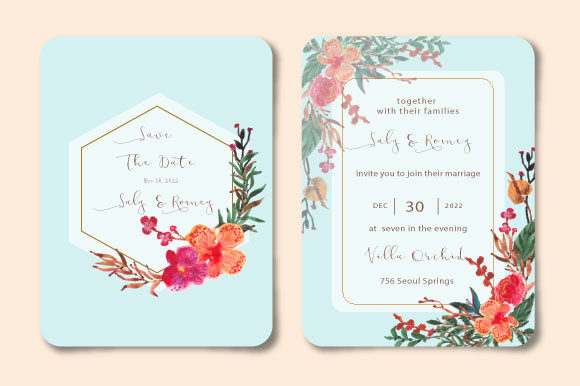
To truly appreciate the Wedding Invitation Template. Decorative, one has to look at its visual DNA. At its core, this style is rooted in vintage aesthetics. We are talking about scrollwork, baroque curves, and delicate linework that frames the text rather than just sitting behind it. Isolated on a white background, these elements—often available as EPS, JPG, or SVG files—pop with a crisp, luxurious clarity. The personality of this design asset is undeniably romantic, but it also carries a heavy weight of tradition. It signals to the viewer that the event is important, classic, and carefully curated.
However, "vintage" doesn't mean "outdated." In modern typography, there is a massive resurgence of interest in ornate details, provided they are balanced with clean space. The Wedding Invitation Template. Decorative often functions as a display font or a graphic overlay. It is not meant for body text; trying to read a paragraph of ornate filigree script is a recipe for eye strain. Instead, think of it as the crown jewel of your typography hierarchy. It commands attention for headers, monograms, and focal points, while leaving the heavy lifting of readability to a cleaner sans serif font or a simple serif font.
Strategic Applications Beyond the Envelope
While the name suggests a singular purpose, limiting this style to actual wedding stationery would be a missed opportunity for brand identity and creative projects. The versatility of the Wedding Invitation Template. Decorative extends far beyond envelopes and RSVP cards.
For entrepreneurs and small business owners, specifically in the luxury sector, this style is a goldmine. Imagine a high-end bakery using these ornate vectors for their packaging design. A simple white box with a gold-foiled filigree corner instantly elevates the perceived value of the pastry inside. Similarly, jewelry brands, boutique hotels, and event planners can use these decorative elements in their web design and social media graphics to establish a tone of exclusivity and elegance without saying a word.
Bloggers and publishers working within the lifestyle, fashion, or bridal niches can also leverage these assets. A premium font or decorative vector set can transform a standard blog header into a magazine-worthy title card. When used in editorial design, these filigree elements can serve as dividers between sections or as background watermarks that add texture without cluttering the layout. The key is consistency; using the same ornate style across your Pinterest pins, Instagram stories, and website headers creates a cohesive visual ecosystem that builds brand recognition.
Mastering the Pairing and Hierarchy
The biggest challenge with highly stylized design assets is integration. How do you use the Wedding Invitation Template. Decorative without overwhelming the viewer? The answer lies in font pairing and contrast.
Because the decorative elements are intricate and "busy," they demand a partner that is quiet and structured. If your main header uses a complex script font or ornate display style, your sub-headers and body copy should be incredibly simple. A geometric sans serif or a classic old-style serif works best here. This contrast creates a visual hierarchy that guides the eye. The decorative element grabs attention, and the clean text delivers the information.
For example, if you are designing a logo for a wedding planner, you might use the ornate filigree to frame the business name. However, the tagline underneath—"Luxury Events & Coordination"—should be in a spaced-out, uppercase sans serif. This balance ensures that the logo design feels professional rather than chaotic. It prevents the "ransom note" effect where too many competing styles make the design look amateurish.
Technical Considerations and Licensing
Before you fall in love with a specific set of vectors, you need to evaluate the technical side of the asset. When sourcing a Wedding Invitation Template. Decorative, check the file formats. You want versatility. An SVG file is essential for web design because it scales without losing quality, ensuring your graphics look sharp on retina screens. EPS files are the industry standard for print, allowing you to scale the filigree to fit a large banner or shrink it down for a business card without pixelation.
Readability is another critical factor. Even in a decorative context, legibility matters. If the filigree is being used to form letters (as in a decorative typeface), print it out. Hold it at arm's length. Can you read the word? If the loops and swirls of the script font merge into an unreadable blob, the design fails its primary function. Sometimes, less is more. You might find that using the ornate filigree only on the first letter of a word—creating a drop cap effect—maintains the style while preserving readability.
Finally, never overlook the commercial font or asset license. If you are a crafter selling physical wedding invitations on Etsy, or a designer creating a logo for a client, you must ensure the license covers commercial use. Free assets often come with restrictions that can cause legal headaches down the road. Investing in a premium font or high-quality vector set usually provides the peace of mind that you are covered for both digital and print commercial applications.
Curating the Mood
Ultimately, the decision to use the Wedding Invitation Template. Decorative comes down to the emotion you want to evoke. This style is not for a tech startup or a construction company; it is for brands and events that celebrate beauty, tradition, and romance. It requires a confident hand and a keen eye for balance. When applied correctly, these vintage ornate elements do more than just decorate a page—they transport the viewer to a world of elegance, making the invitation—or the brand—itself a keepsake worth holding onto.